
Elevate Your Events with Plant-Based Catering Experiences

In recent years, plant-based catering has surged in popularity, transforming the way we think about food at events. Whether it’s a wedding, corporate gathering, or a casual get-together, the demand for delicious, sustainable, and health-conscious options is on the rise. This shift is not just a trend; it reflects a growing awareness of the environmental impact of our food choices and a desire for healthier lifestyles.
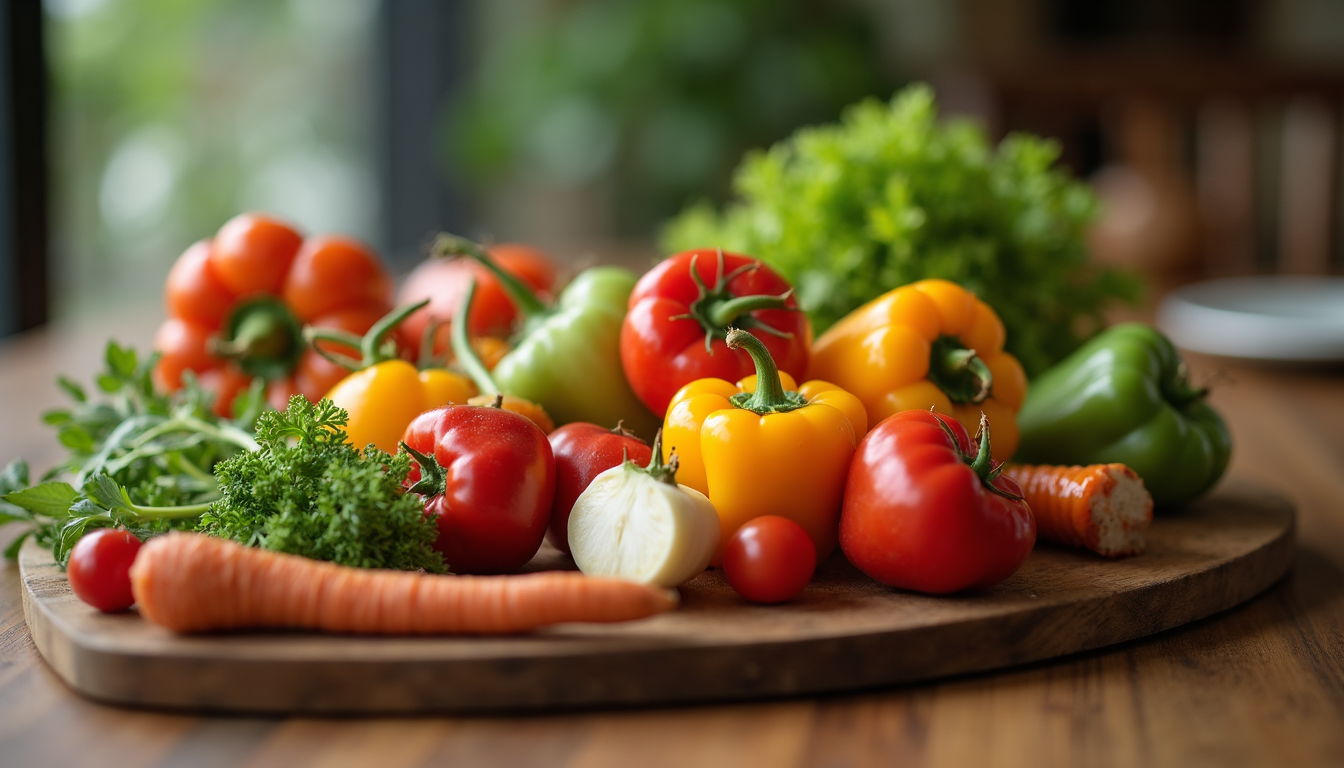
Imagine walking into an event where the aroma of fresh herbs and spices fills the air, and the vibrant colors of fruits and vegetables catch your eye. This is the power of plant-based catering. It not only satisfies the palate but also creates a memorable experience for guests. In this blog post, we will explore how to elevate your events with plant-based catering experiences, offering practical tips, examples, and insights to help you make the most of this culinary approach.

Understanding Plant-Based Catering
What is Plant-Based Catering?
Plant-based catering focuses on meals that primarily consist of fruits, vegetables, grains, legumes, nuts, and seeds. While it doesn’t necessarily mean that all dishes are completely free of animal products, the emphasis is on creating delicious meals that highlight the flavors and textures of plant ingredients.
Benefits of Plant-Based Catering
Healthier Options: Plant-based meals are often lower in calories and saturated fats, making them a healthier choice for guests. They are rich in vitamins, minerals, and antioxidants, contributing to overall well-being.
Environmental Impact: Choosing plant-based catering can significantly reduce the carbon footprint of your event. Animal agriculture is a leading cause of greenhouse gas emissions, and by opting for plant-based options, you contribute to a more sustainable future.
Inclusivity: Plant-based catering accommodates a variety of dietary preferences and restrictions, including vegetarian, vegan, and gluten-free diets. This inclusivity ensures that all guests can enjoy the meal without feeling left out.
Culinary Creativity: Plant-based catering encourages chefs to think outside the box, resulting in innovative dishes that surprise and delight guests. From creative appetizers to decadent desserts, the possibilities are endless.
Planning Your Plant-Based Menu
Assessing Your Audience
Before diving into menu planning, consider the preferences and dietary restrictions of your guests. Are they predominantly meat-eaters, or do they lean towards vegetarian or vegan diets? Understanding your audience will help you create a menu that appeals to everyone.
Crafting a Balanced Menu
A well-rounded plant-based menu should include a variety of flavors, textures, and colors. Here are some key components to consider:
Appetizers: Start with small bites that are easy to eat and share. Options like stuffed mushrooms, vegetable spring rolls, or hummus with pita and veggies can set the tone for the meal.
Main Dishes: Offer a selection of hearty main courses that are satisfying and flavorful. Think along the lines of roasted vegetable quinoa bowls, lentil shepherd's pie, or a vibrant vegetable curry.
Sides: Complement your main dishes with a variety of sides. Roasted seasonal vegetables, grain salads, and fresh green salads can add depth to the meal.
Desserts: Don’t forget about dessert! Plant-based desserts can be just as indulgent as traditional options. Consider serving vegan chocolate mousse, fruit tarts, or coconut milk ice cream.
Seasonal and Local Ingredients
Utilizing seasonal and local ingredients not only enhances the flavor of your dishes but also supports local farmers and reduces the environmental impact of transportation. When planning your menu, consider what fruits and vegetables are in season in your area. This approach not only ensures freshness but also adds a unique touch to your event.
Presentation Matters
Creating an Inviting Atmosphere
The presentation of your plant-based dishes can significantly impact the overall experience. Here are some tips to elevate the visual appeal of your catering:
Colorful Displays: Use a variety of colors to create an eye-catching buffet or plated meal. Vibrant greens, reds, yellows, and purples can make your dishes pop.
Unique Serving Ware: Consider using wooden boards, slate platters, or colorful bowls to serve your dishes. This adds an element of creativity and can enhance the overall aesthetic.
Garnishes: Fresh herbs, edible flowers, or microgreens can add a finishing touch to your dishes, making them look more appealing.
Interactive Stations
Interactive food stations can engage guests and create a memorable experience. Consider setting up a build-your-own taco bar with plant-based proteins, toppings, and salsas, or a salad bar with a variety of greens, vegetables, and dressings. This not only allows guests to customize their meals but also encourages mingling and conversation.
Catering Logistics
Choosing the Right Caterer
When selecting a caterer for your plant-based event, look for someone who specializes in plant-based cuisine. Ask for samples of their dishes and inquire about their experience with plant-based catering. A good caterer will be able to provide creative menu options and accommodate any dietary restrictions.
Budget Considerations
While plant-based catering can sometimes be more affordable than traditional catering, it’s essential to set a budget and stick to it. Consider the cost of ingredients, labor, and any additional services you may need, such as rentals or staffing.
Timing and Service Style
Decide on the service style that best fits your event. Buffet-style service allows guests to choose their portions, while plated service can create a more formal atmosphere. Consider the timing of your event as well; for example, a brunch event may call for lighter fare, while an evening gathering may benefit from heartier options.
Real-Life Examples
Successful Plant-Based Events
Many organizations and individuals have successfully incorporated plant-based catering into their events. For instance, a wedding in California featured a fully plant-based menu, including a stunning charcuterie board made entirely of fruits, nuts, and artisanal cheeses. Guests raved about the flavors and creativity, making it a memorable occasion.
Another example is a corporate retreat that opted for plant-based catering to promote wellness among employees. The menu included a variety of nourishing dishes, such as grain bowls and smoothies, which not only energized participants but also sparked conversations about healthy eating.
Conclusion
Elevating your events with plant-based catering experiences is not just about serving food; it’s about creating a memorable experience that resonates with your guests. By focusing on health, sustainability, and creativity, you can craft a menu that delights the senses and leaves a lasting impression.
As you plan your next event, consider the benefits of plant-based catering and how it can enhance the overall experience. With thoughtful menu planning, beautiful presentation, and a focus on seasonal ingredients, you can create an event that not only satisfies but also inspires. Embrace the plant-based movement and watch your events flourish!

Comments